November 5, 2026
Selecting the proper garden material directly influences long-term soil health, plant vitality, and overall landscape aesthetics. When evaluating ground cover options, homeowners face a critical choice between organic and inorganic mulch. Understanding how these two distinct categories interact with soil chemistry, water retention, local microclimates, and root development is essential for building a thriving landscape. This guide breaks down the performance characteristics, structural benefits, lifespan, and ideal application strategies for both categories to ensure you select the best fit for your yard.
Proper ground management extends beyond merely covering exposed dirt; it serves as a dynamic environmental buffer against unpredictable climate conditions. By shielding topsoil from harsh winds, intense sunlight, and heavy rainfall, applied surface layers prevent compaction and preserve the essential structure of your beds. Whether you manage expansive flower beds, high-yield vegetable plots, or simple low-maintenance borders, choosing the right material lays the foundation for sustainable garden success.
In addition to environmental buffering, effective surface management optimizes subterranean biological activity and thermal stability across changing seasons. Maintaining consistent soil moisture reduces irrigation frequency, mitigating severe drought stress during hot summer months while shielding sensitive root architectures against winter frost heave. Thoughtful application deters opportunistic invasive weeds from taking root and competing with native plantings for critical soil nutrients, oxygen, and moisture reserves. Investing time into evaluating your soil composition, microclimate variations, and long-term design goals ensures your investment delivers continuous functional protection and enduring aesthetic value for your home landscape.
1. Understanding Mulch and Its Fundamental Purposes
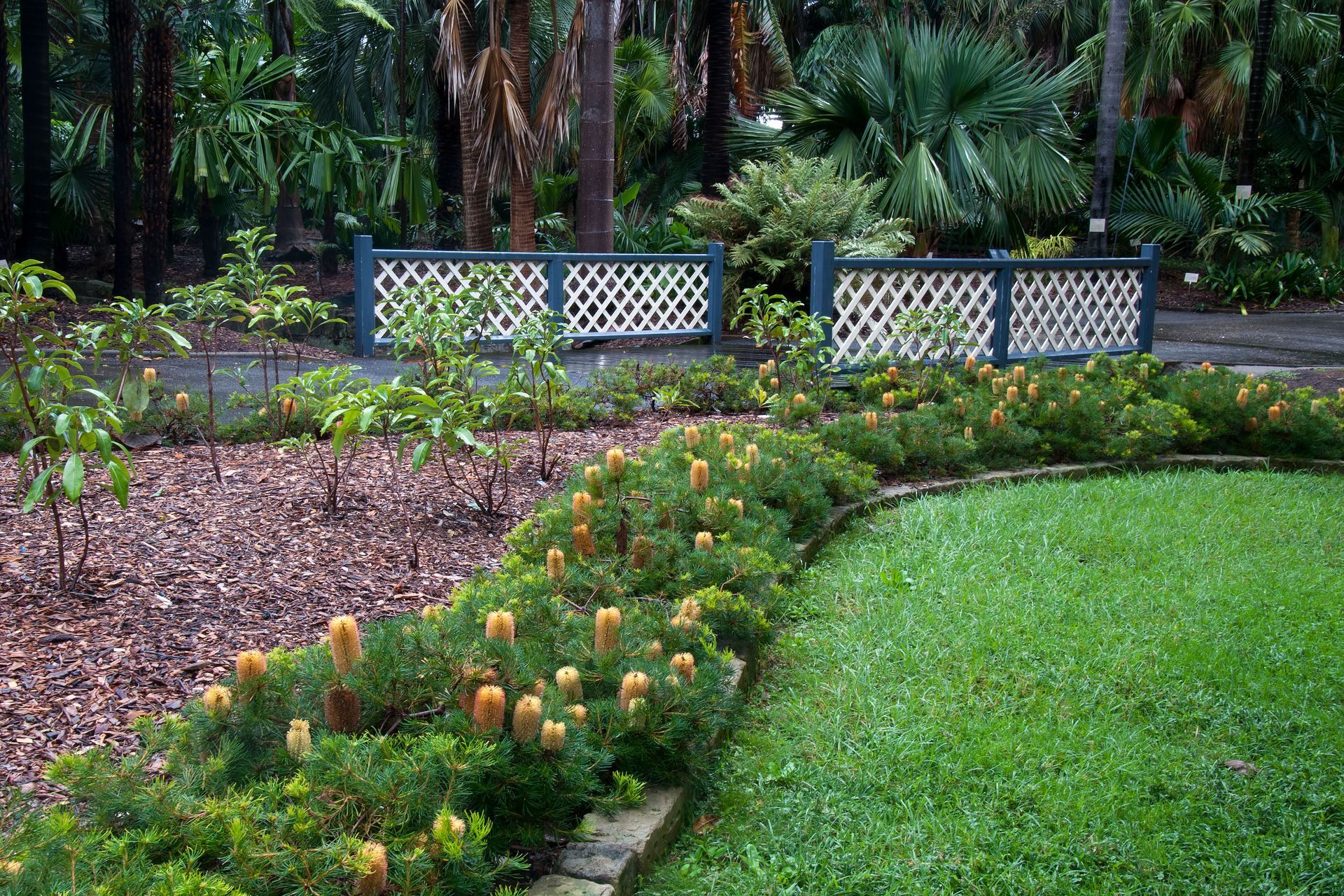
Mulch acts as a protective barrier over topsoil, effectively mimicking natural forest floor dynamics by regulating subterranean moisture levels, shielding delicate root zones, and preventing surface erosion. Utilizing organic or inorganic mulch varieties shelters sensitive roots from extreme seasonal temperature swings while aggressively suppressing unwanted weed growth. Additionally, proper installation creates a polished, visually uniform appearance across all garden beds, neatly framing your plants and defining lawn boundaries.
Beyond visual appeal, applying mulch stabilizes micro-environments necessary for beneficial soil microorganisms, earthworms, and insects to thrive. These organisms constantly process organic matter, steadily improving soil aeration, drainage capacity, and overall nutrient availability. Preventing soil compaction from foot traffic and heavy rainfall, while simultaneously reducing surface runoff, stands among the key functional benefits of maintaining a consistent coverage layer throughout the year.
Furthermore, an established layer prevents rain splashing, which reduces the transmission of soil-borne fungal pathogens onto foliage. By keeping plant leaves clean and dry, ground cover actively prevents fungal spores from establishing infections on lower leaves. Achieving this environmental stability significantly reduces the need for synthetic chemical applications and manual garden intervention.
2. Comparing Organic and Inorganic Materials
Organic options comprise natural biological debris like wood chips, hardwood bark, fallen leaves, pine needles, and straw, which gradually break down through microbial activity to enrich the surrounding dirt. Conversely, inorganic alternatives rely on non-biological materials such as gravel, river rock, slate, landscape fabric, rubber crumbs, and synthetic sheeting. While inorganic choices offer superior structural longevity, they do not decompose over time, meaning they offer no biological nutrients to enrich the soil underneath.
According to Real Simple, inorganic mulch tends to stay in place and won't decompose, so you'll likely be able to go five years before you need to replenish it. This extended lifespan dramatically reduces annual physical labor and long-term replacement expenses, making it an ideal long-term solution for permanent pathways, xeriscaping, or rock gardens. Meanwhile, organic materials demand regular annual reapplication, but their decomposition provides unrivaled long-term soil enhancement, moisture retention, and microfauna support.
The choice between these two families ultimately comes down to long-term landscape goals and plant requirements. Highly demanding ornamental plants, perennials, and food crops thrive when paired with organic mulch that feeds the soil web continuously. Conversely, established native plants, cacti, succulents, and structural architectural beds flourish when anchored with clean, long-lasting inorganic materials that provide steady drainage without breaking down.
3. Evaluating Soil Enrichment and Water Retention
Organic mulch releases vital nitrogen, phosphorus, potassium, and essential trace minerals into the root zone as biological organisms process the material over time. This continuous biological breakdown fosters rich soil structure, creating a porous environment that supports deep root penetration and improves water infiltration in heavy clay or porous sandy environments. Retaining consistent moisture through reduced surface evaporation ensures plants survive prolonged summer heat stress with significantly less frequent supplemental irrigation.
While inorganic mulches excel at immediate moisture retention by blocking surface evaporation and stopping solar rays from reaching weed seeds, they exhibit vastly different thermal behaviors. Non-porous materials like rocks, gravel, and heavy stones absorb and store significant surface heat during peak summer months. These dense materials radiate stored thermal energy back into the soil and surrounding plant tissue overnight, which can severely heat-stress delicate or shallow-rooted plants during dry spells.
Managing water movement efficiently also depends on selecting the proper particle size and thickness for your specific site. Coarse wood chips allow heavy rain to penetrate quickly while preventing soil crusting, whereas fine organic materials can occasionally form impervious mats if applied incorrectly. Understanding how each material interacts with rain, sunlight, and humidity allows you to optimize soil hydration while minimizing thermal stress on delicate plants.
4. Analyzing Costs and Environmental Footprints
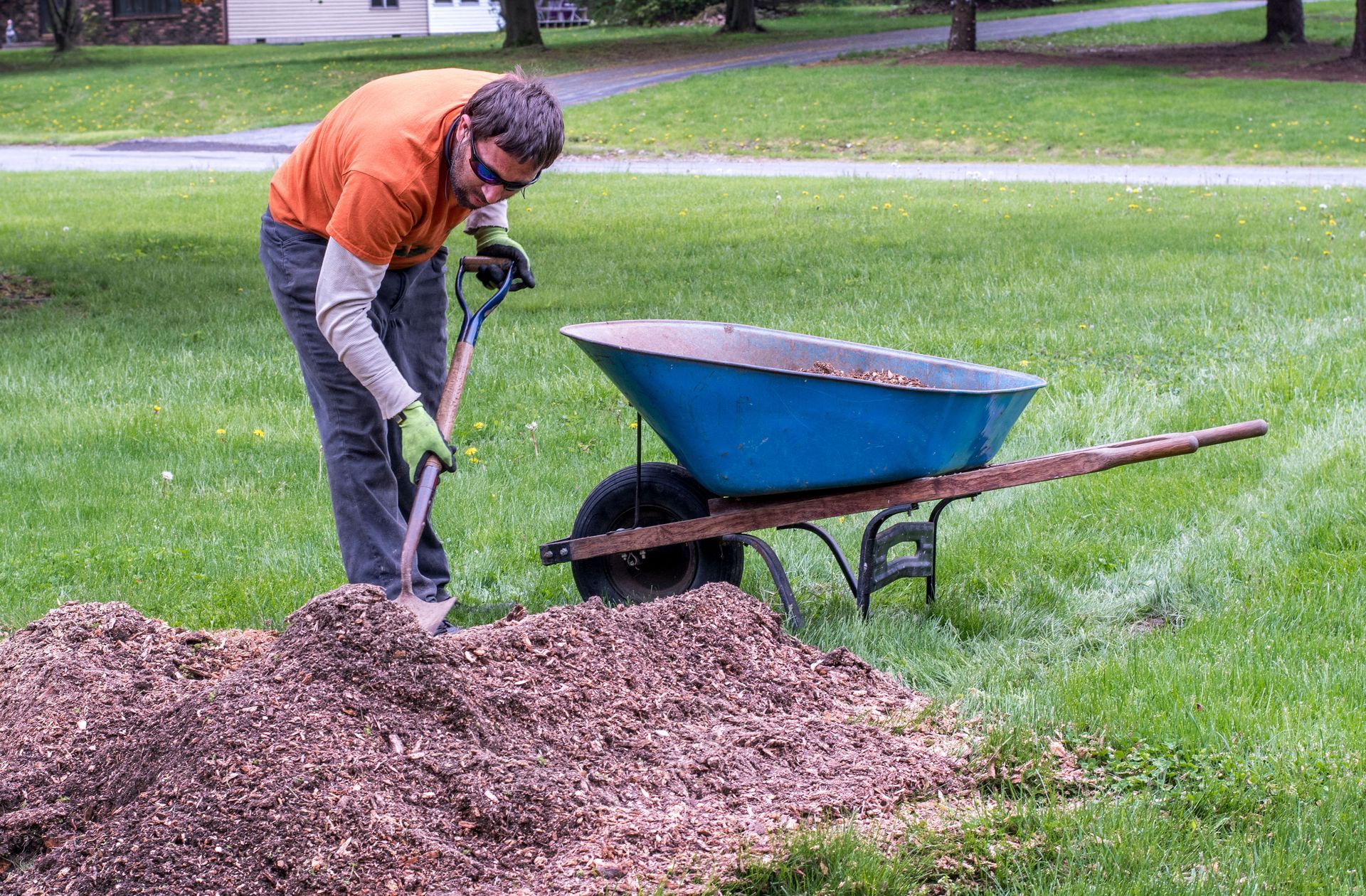
Upfront pricing varies depending on local availability, transport demands, processing requirements, and material grade. Sourcing local organic waste like arborists' tree trimmings or municipal leaf compost costs very little, whereas premium decorative stone, river gravel, or non-toxic recycled rubber requires higher initial capital investment. However, factoring in multi-year reapplication schedules helps balance the total long-term lifetime expenditure of each material option.
Broader environmental trade-offs must also dictate your selection process. Sourcing local organic wood chips lowers transportation carbon emissions while naturally integrating organic carbon back into the earth. On the other hand, non-biodegradable synthetic barriers, rubber, and heavy quarried stone require resource-intensive manufacturing or extraction processes, though their multi-year durability offsets recurring material production and delivery demands over an extended timeframe.
Ecological stewardship plays a major role in modern garden planning. Using sustainably harvested bark or recycled yard trimmings supports circular green waste programs in your local community. Evaluating product sourcing, delivery distance, processing methods, and regional microclimate interactions helps conscious gardeners minimize their environmental footprint while building a resilient, vibrant home ecosystem that thrives naturally across every growing season.
5. Selecting the Right Ground Cover
Determining the ideal ground cover requires carefully matching long-term landscape goals with specific plant demands, regional climate patterns, site slopes, and maintenance preferences. High-nutrient zones, such as annual vegetable gardens, shrub borders, and perennial beds, thrive under continuously decomposing organic mulches. High-traffic pedestrian paths, steep drainage swales, playground safety zones, or permanent ornamental gravel installations benefit far more from the physical stability and longevity of stone, gravel, or rubber installations.
Thoroughly assessing site drainage, sun exposure, wind vulnerability, soil texture, and long-term budgetary limits guarantees overall landscape success without unexpected maintenance headaches or sudden crop failures. Proper application thickness is equally critical: maintaining a balanced two-to-four-inch layer prevents weed emergence while permitting necessary oxygen exchange between the soil and atmosphere. Keeping ground covers a few inches away from plant stems and tree trunks avoids excess moisture buildup and deters wood-boring pests.
Carefully evaluating your soil condition, local weather exposure, long-term budget, and personal aesthetic goals guarantees landscape success season after season. Whether prioritizing immediate soil enrichment, ecological benefits, or decade-long coverage durability, selecting the appropriate cover supports a thriving yard. For more information about the services that we offer, reach out to our incredible team at Red Bark Inc today!