November 16, 2026
Transforming residential landscape beds requires careful planning, suitable ground covers, and reliable supplier partnerships. When property owners prepare for seasonal gardening upgrades, visiting a reputable local mulch shop represents the most effective first move toward achieving thriving outdoor plantings. Asking purposeful, well-researched questions allows buyers to select proper materials, accurately calculate delivery volumes, and uncover critical processing standards before ordering bulk products. Knowledgeable ground cover suppliers gladly guide homeowners through various material grades, regional sourcing practices, and seasonal application methods. Gathering this essential background information upfront protects your landscaping investment, enriches garden soil biology, and creates gorgeous, durable curb appeal across every yard.
1. Inquiring About the Wood Sourcing and Raw Material Ingredients
Understanding where raw timber originated helps homeowners avoid introducing contaminated materials or invasive forest pests into residential gardens. Reputable suppliers clearly identify whether their bulk products derive from clean forest timber, recycled shipping pallets, tree trimming services, or urban land clearing debris. Inquire whether reclaimed wood pallets undergo heat treatment rather than harmful chemical fumigation during previous industrial usage. Verifying that wood sources remain completely free from construction nails, pressure-treated chemicals, and persistent agricultural herbicides protects sensitive ornamental plantings. Knowing the raw history behind decorative wood covers ensures you spread clean, nourishing amendments that support long-term soil structure and plant health.
2. Sizing Up Market Trends and Organic Ground Cover Popularity
Consumer preferences continue shifting toward eco-friendly landscaping practices as homeowners discover the rich biological benefits of natural decomposition. According to Ken Research, organic mulch — including bark dust, wood chip mulch, and composted mulches — is experiencing 20% annual sales growth as American consumers increasingly choose sustainable, naturally decomposing landscaping materials. Asking suppliers how these evolving industry trends influence their product availability helps you select high-performance varieties that improve moisture retention. As naturally decomposing ground covers break down, they release vital organic nutrients directly into native earth, strengthening root systems against heat stress. Exploring popular sustainable trends guarantees your outdoor choices support local ecological vitality.
3. Selecting Proper Color Dyes and Organic Pigment Formulations
Homeowners seeking vibrant red, dark chocolate brown, or midnight black landscape beds must inquire about cosmetic coloring treatments. Ask your local mulch shop whether their tinted inventories utilize non-toxic, water-based carbon and iron oxide colorants that safeguard family pets. Inquire about the necessary drying window required after delivery to prevent unexpected rain showers from washing pigments onto stone walkways. Discovering how long applied pigments hold their brilliance under blazing summer sunshine helps you budget for timely seasonal top-dressings. Selecting premium, naturally dyed mulches ensures striking visual contrast against green lawn turf without introducing hazardous chemical residues into flowerbeds.
4. Determining Soil Moisture Retention Capabilities and Decomposition Speeds
Every landscape bed hosts unique horticultural conditions, ranging from parched, windswept border fences to perpetually damp, shaded foundation corners. Ask suppliers which specific wood textures and particle dimensions best preserve soil hydration under intense summer heat waves. Fine double-shredded hardwood breaks down relatively fast, rapidly enriching clay soils, whereas dense pine bark nuggets decompose slowly over multiple years. Inquiring about decomposition timelines allows homeowners to tailor soil moisture conservation strategies to the unique irrigation needs of delicate perennials. Matching organic wood types to individual moisture zones prevents parched root systems and minimizes overall municipal water consumption outdoors.
5. Checking for Weed Seed Contamination and Spore Infestations
Inquiring about raw wood seasoning and internal temperature monitoring reveals whether bulk piles harbor dormant weed seeds or aggressive molds. Reputable landscape yards maintain towering bulk storage mounds that naturally generate intense biological heat, reaching temperatures exceeding one hundred forty degrees. This intense heating cycle effectively sterilizes bulk blends by neutralizing persistent agricultural seeds, damaging fungal spores, and killing harmful insect larvae. Spreading unheated yard waste can quickly introduce troublesome nuisance weeds or artillery fungi that ruin home siding. Ensuring your chosen supplier follows rigorous pile management protocols safeguards your manicured garden beds against frustrating weed explosions.
6. Calculating Accurate Cubic Yardage Requirements for Garden Coverage
Underestimating total project material leads to inconvenient mid-day supply runs, while over-ordering leaves unwanted piles sitting in driveways. Consult staff at your local mulch shop to double-check coverage arithmetic before completing large purchases. Supplying precise square footage measurements and desired application depth helps knowledgeable sales professionals calculate exact cubic yard requirements instantly. Most landscaped perimeters perform best with a consistent three-inch layer, which suppresses weed germination without suffocating shallow root flares. Working through accurate volumetric formulas prevents costly ordering errors, ensuring you receive the ideal volume necessary to finish every garden border smoothly.
7. Clarifying Delivery Logistics and Site Placement Restrictions
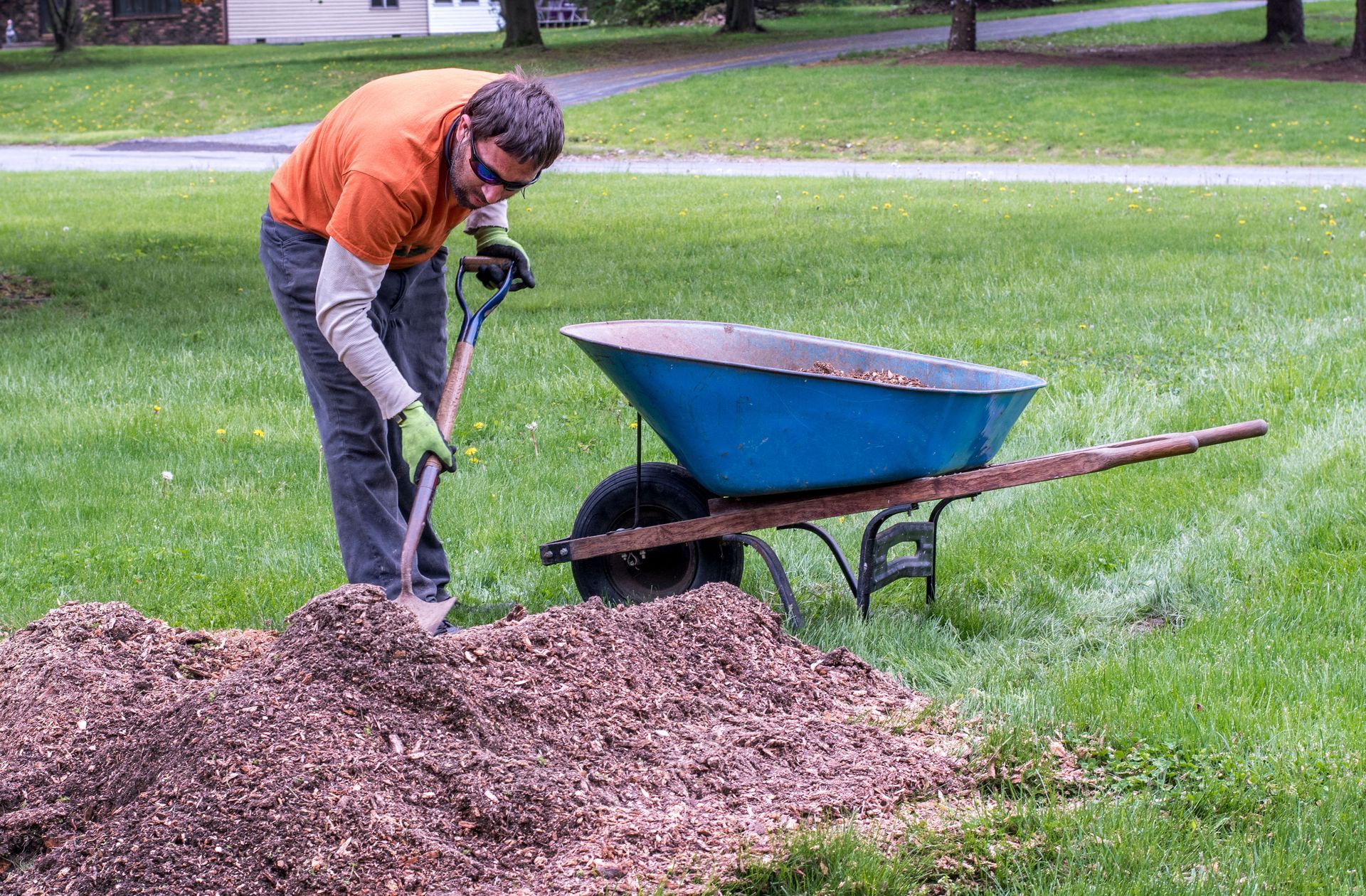
Transporting bulk landscape supplies requires coordinating appropriate vehicle sizes, clear driveway access, and precise unloading placement points on delivery morning. Ask dispatch personnel about standard truck capacities, delivery fees, and minimum yardage requirements prior to finalizing payment details. Inquire whether heavy commercial dump trucks risk cracking residential concrete driveways, crushing subterranean septic tanks, or tearing low-hanging utility cables. Establishing designated dumping locations beforehand prevents messy spatial conflicts and ensures bulk materials rest safely out of neighborhood traffic lanes. Resolving operational logistics early streamlines material delivery, saving considerable physical effort when hand-wheeling wheelbarrows around the property.
8. Managing Seasonal Pest Deterrence and Protective Insect Properties
Certain natural wood species offer inherent defense mechanisms that discourage common garden pests from nesting near home perimeters. Ask your local mulch shop whether they supply aromatic cedar or cypress blends containing natural organic resins that deter termites. While decorative wood toppings rarely attract subterranean termites directly, applying poor materials against home foundations can harbor damp environments that attract insects. Inquire about proper spacing recommendations to keep ground covers several inches away from external siding, masonry, and sill plates. Implementing thoughtful application spacing safeguards your building exterior while harnessing natural botanical oils to minimize unwanted yard pests.
9. Comparing Bagged Packaging Against Bulk Material Economics
Budget considerations often influence whether property owners purchase pallets of plastic bags or order loose truckload deliveries. Inquire about price-per-yard differences, comparing economical loose bulk dumping against convenient, easily transported two-cubic-foot sealed plastic bags. Bagged materials offer convenient transport to remote backyard slopes, whereas loose piles require immediate physical labor with pitchforks and wheelbarrows. Inquire whether plastic packaging holds trapped condensation that causes mold to accumulate inside bags stored outside retail garden centers. Evaluating comparative pricing and handling requirements enables homeowners to select the most economical distribution method for their personal timeline.
10. Pairing Wood Covers With Complementary Soil Amendments
Successful flower gardening involves more than simply concealing bare native dirt beneath pretty layers of decorative shredded wood. Inquire whether your local mulch shop stocks composted leaf mold, aged manure, or rich topsoil blends for layered applications. Inquiring about specialized planting blends allows you to spread nutrient-dense compost underneath fresh bark, feeding microbial life as plants expand. Staff members can explain how fresh wood occasionally draws nitrogen away from annual flowers during early breakdown phases. Balancing decorative top-dressings with nutrient-rich amendments ensures vibrant perennial blooms, healthy root growth, and balanced garden fertility all season.
Building relationships with experienced garden supply professionals yields invaluable horticultural insights that elevate your entire property maintenance routine. Consulting your trusted local mulch shop ensures every outdoor bed receives high-grade, sustainable materials specifically suited to your regional climate. Addressing critical details regarding timber sourcing, chemical pigments, delivery requirements, and volume calculations eliminates guesswork, ensuring smooth weekend landscaping execution. Quality ground covers not only elevate neighborhood curb appeal but also preserve vital moisture, regulate soil temperatures, and nourish microbial life. Approaching suppliers with insightful, structured inquiries sets the foundation for an effortless project and exceptionally beautiful outdoor surroundings.
Are you seeking a reliable local mulch shop in Portland, OR, and the surrounding areas? Red Bark Inc provides the top mulching products, colors, and supplies to help your home look stunning. Contact us today for more information.