November 25, 2026
Spring brings new growth, but it also exposes bare soil, leftover leaves, and weeds that settled into garden beds over winter. Fresh mulch can make a landscape look cared for while helping the soil retain moisture and moderating temperature changes. Getting those benefits depends on choosing the right material, preparing the bed, and applying an appropriate amount.
A rushed application can do more harm than good. Piling material against a tree trunk or covering an already thick layer may trap moisture where it does not belong. Before beginning spring mulching, look at what is growing, how the soil feels, and how much old material remains. A few simple checks can save work later in the season. They also make it easier to notice developing problems before summer heat arrives.
Choose a Material That Suits the Landscape
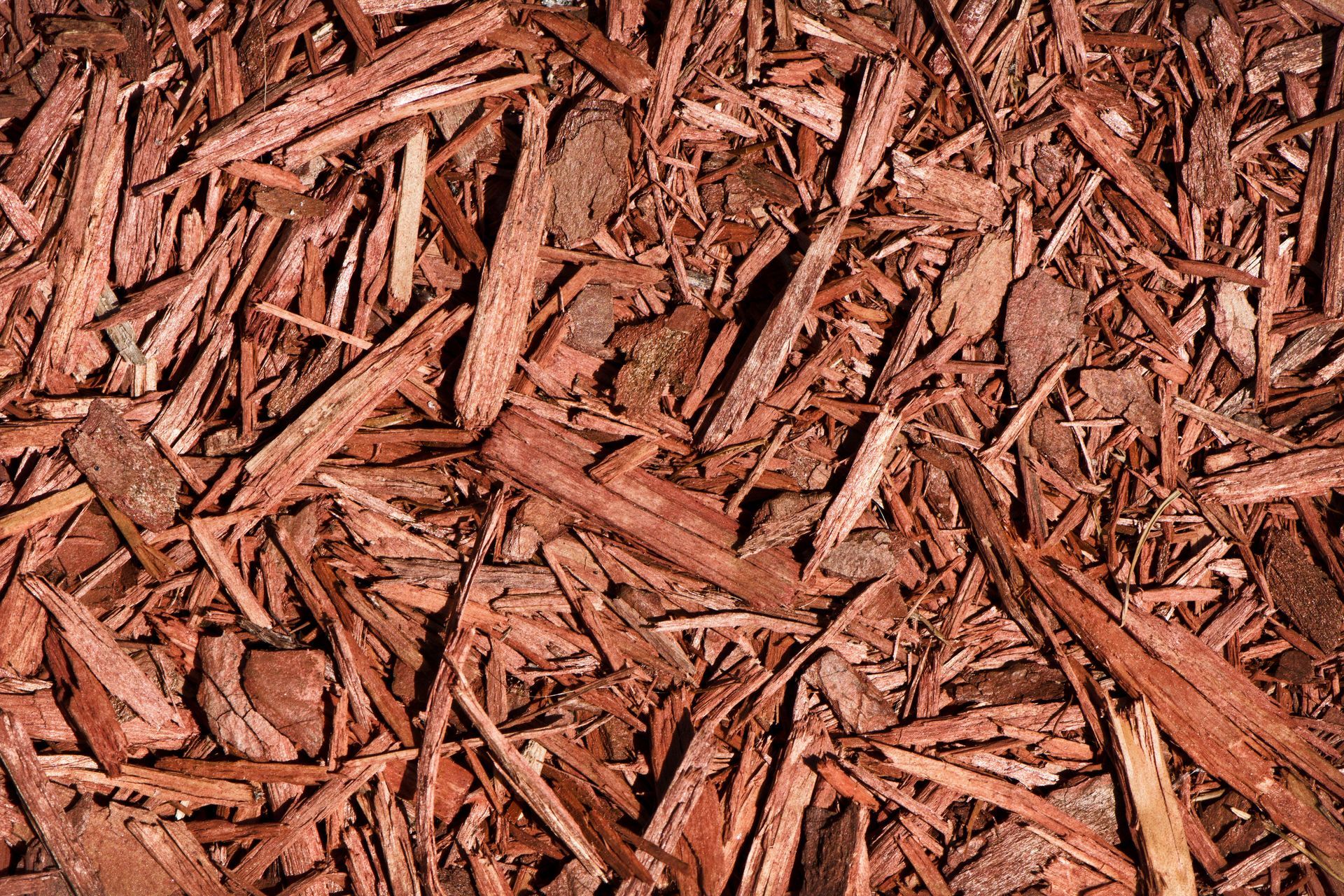
Organic options include shredded bark, wood chips, pine needles, shredded leaves, and clean straw. As they break down, many add organic matter to the soil and need occasional replenishment. Shredded bark can create a tidy appearance around shrubs and perennial beds, while straw may suit vegetable gardens where plants are changed regularly. Avoid materials that contain weed seeds or contaminants.
Stone and gravel last longer without decomposing, making them useful in some paths and dry landscapes. However, they can absorb heat and are difficult to remove if planting plans change. Landscape fabric beneath stone may suppress some weeds initially, but soil and debris collecting on top can eventually support new growth.
Choose according to the plants, exposure, drainage, and maintenance expectations rather than color alone. A landscape supplier can help explain texture differences, but check whether a particular material is suitable around young plants or sensitive roots. Successful mulching starts with a material that fits the site.
Remove Weeds and Check the Existing Layer
Before spreading anything new, walk through the beds and pull weeds with as much of their root systems intact as practical. Remove sticks, litter, and diseased plant debris that should not remain among healthy plants. Healthy fallen leaves can sometimes be shredded and reused, provided they will not smother low-growing plants.
Next, inspect the mulch already in place. If it has settled into a thin, loose layer, a small refresh may be enough. If it is matted, piled too high, or pressed against stems, loosen or remove the excess first. Adding fresh material over an excessive layer can interfere with water movement and keep plant crowns damp.
This is also a convenient time to inspect the soil. If a bed has repeatedly struggled with plant growth, a soil test through a local extension service can identify nutrient or pH concerns. Apply amendments only when the results and plant needs support them. Mulch can protect soil, but it cannot correct poor drainage or every underlying growing problem.
Pick a Time That Matches Spring Conditions
There is no universal date for refreshing beds. Weather, soil temperature, and plant growth vary across regions and even between shady and sunny areas of the same yard. In colder climates, waiting until the soil has begun to warm helps avoid keeping an already chilly bed insulated when new growth is starting. In warmer regions, applying mulch before extended hot or dry weather may help preserve moisture.
Work when the soil is moist but not waterlogged. Water should be able to soak into the ground before the protective layer goes on. If spring rain leaves standing water, investigate drainage instead of covering the problem. Avoid walking repeatedly through saturated beds, which can compact the soil.
Coordinate mulching with early pruning, edging, and planting. Finishing those tasks first reduces the need to disturb a fresh layer. Around newly planted perennials or annuals, leave enough open space to see the crowns and water directly where needed. The goal is to support seasonal growth, not hide it beneath a uniform blanket.
Measure Beds Before Buying Material
Mulch is sold by volume, so area and depth determine how much you need. According to This Old House, professionals generally aim for a three-inch layer on new landscape beds and about a one-inch addition on established beds. The smaller amount is a top-up, not a recommendation to keep adding an inch indefinitely. Check the existing depth and adjust to avoid an excessive buildup.
For a rectangular bed, multiply length by width to find square footage. Convert the intended depth from inches to feet, then multiply to calculate cubic feet. Divide that number by 27 to estimate cubic yards. For example, a bed measuring 10 feet by 10 feet needs 25 cubic feet for a three-inch layer, or just under one cubic yard.
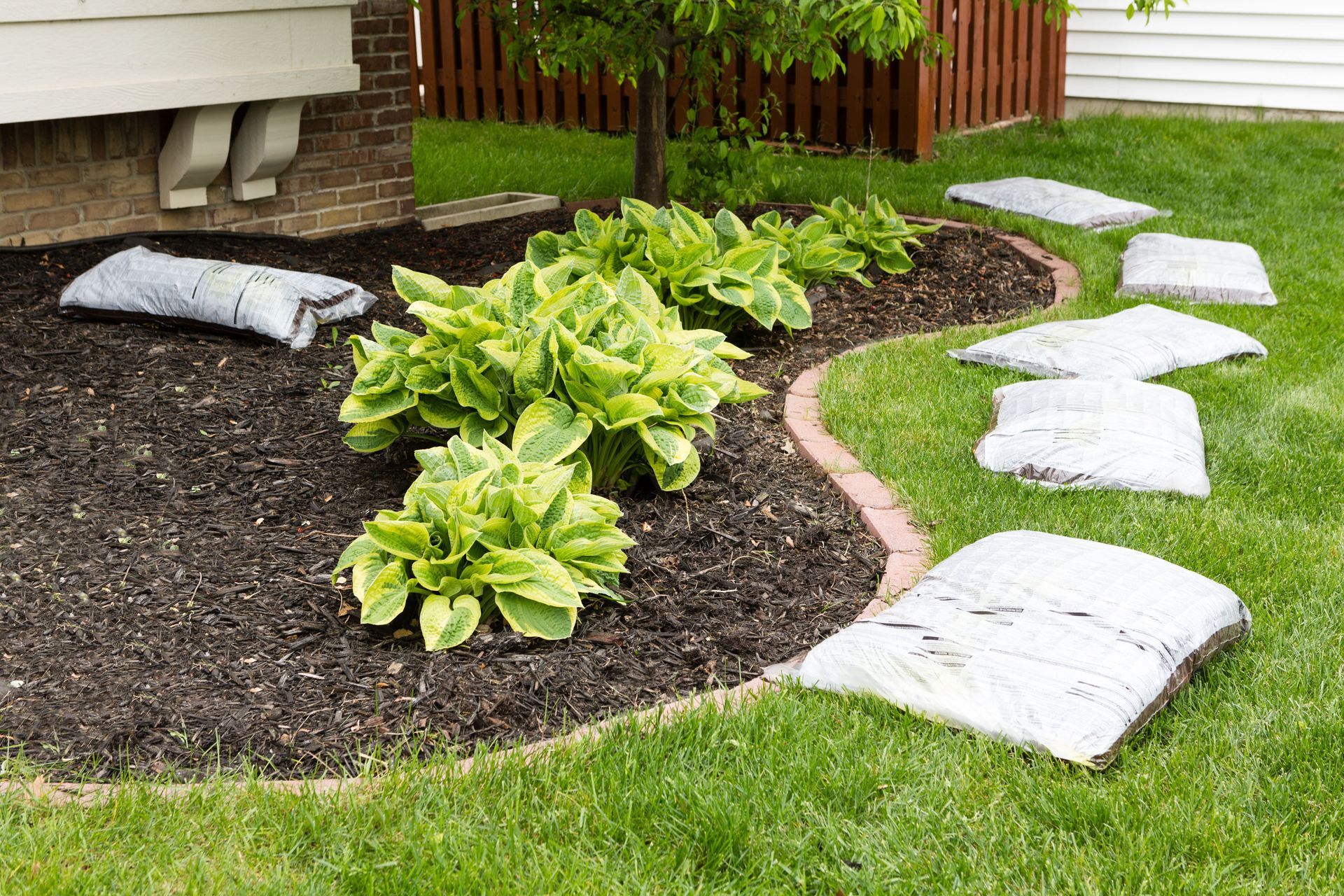
Measure irregular beds in smaller sections and add their areas together. Confirm the size of any bags, since packaging varies, and allow for how the material will be distributed. Estimating before purchasing makes spring mulching easier to budget and reduces the chance of excess piles sitting in the driveway.
Spread an Even Layer Around Plants
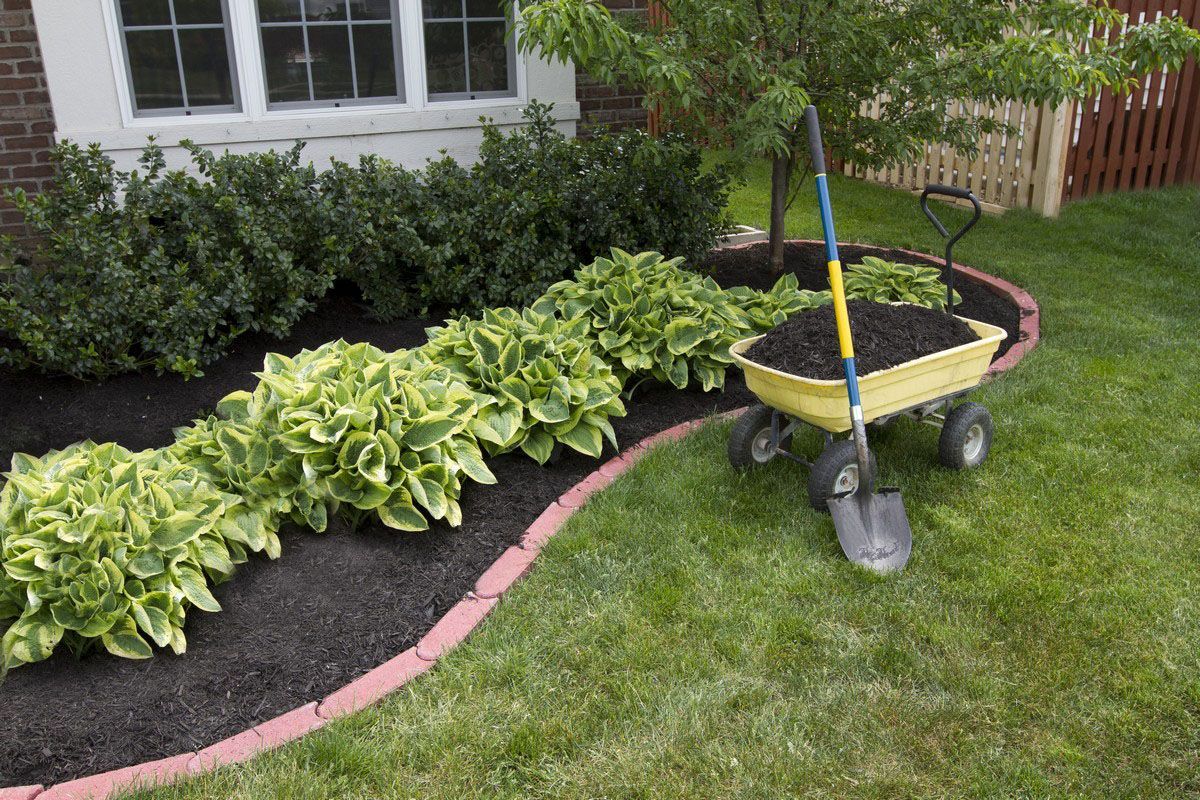
Use a wheelbarrow, shovel, and rake to distribute mulch without repeatedly stepping on planting areas. Drop small piles around the bed, then spread them to a consistent depth. Check the thickness in several locations rather than judging solely by appearance. Uneven mounds can leave exposed patches nearby while creating overly deep areas elsewhere.
Keep mulch several inches away from tree trunks and the bases of shrubs. A mound shaped like a volcano can keep bark damp and encourage decay or unwanted rooting. At the base of perennials, avoid burying crowns and tender stems. Leave a little breathing room so water and air can reach the plants without prolonged contact against their tissues.
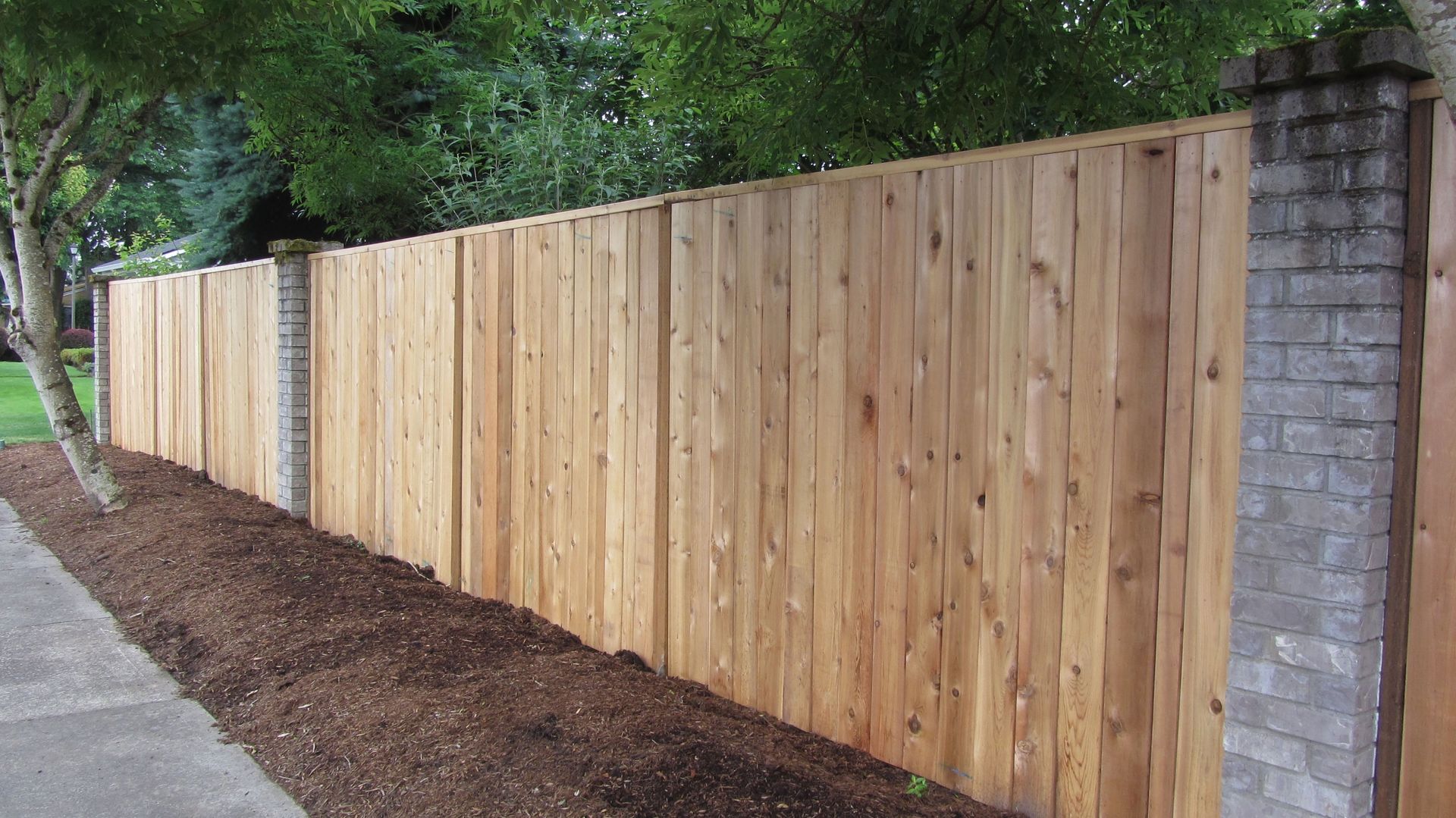
Good mulching also respects the bed's boundaries. A clean edge helps material stay out of lawns, sidewalks, and drains. If the ground slopes, choose a texture that is less likely to wash away during heavy rain and inspect it after storms. The correct installation should look natural, not packed down or heaped against anything growing.
Maintain the Beds Without Overdoing It
A fresh layer will change as the season progresses. Organic materials settle, decompose, and sometimes shift during downpours. Check beds periodically for exposed soil, stubborn weeds, and places where material has accumulated. Pull weeds early before they establish deep roots, and redistribute loose mulch where coverage has become uneven.
Moisture still needs attention. Mulch slows evaporation, but it does not replace watering, especially for new plantings. Check soil below the surface before irrigating instead of assuming that a dry-looking top layer means the roots are dry. Watch for unusually wet areas that might signal drainage problems or overly thick coverage.
When the landscape needs another refresh, add only what is missing. Avoid automatically replacing every bit of organic material each spring; partially decomposed mulch may still be useful. Thoughtful
mulching can reduce recurring work while preserving healthy root conditions.
Start the Season With a Practical Plan
The best spring results come from preparation rather than simply spreading more material. Match mulch to the plants, clear competing weeds, wait for suitable soil conditions, and measure the bed before ordering. Keep coverage even and trunks exposed, then check how the landscape responds as temperatures change.
For help selecting landscape materials for an upcoming project, contact Red Bark Inc. to discuss available options and the amount needed for your beds. Planning the details early can make the spring refresh easier to complete and maintain.