November 23, 2026
A well-kept landscape takes regular attention. Weeds appear after rain, bare soil dries in the sun, and garden beds lose their clean edges as the seasons change. Mulch can help manage some of that work, but choosing a material, calculating the amount, hauling it, and spreading it evenly requires planning and physical effort.
Professional landscape care can simplify those steps while protecting soil and improving the appearance of planted areas. The savings are not automatic: they depend on appropriate materials, careful installation, and how much maintenance the property needs. Understanding where professional help makes a difference can help homeowners decide what is worth handling themselves.
Spend Less Time on Repeated Weeding
Bare soil gives many weed seeds the light and space they need to establish. A suitable mulch layer blocks some sunlight at the surface, making it harder for new weeds to emerge. It will not eliminate every weed, especially established perennial weeds, but it can reduce the number that require attention throughout the growing season.
Preparation matters as much as the covering. Existing weeds should be removed before new material goes down, and any invasive roots need appropriate treatment. A professional crew can clear debris, define borders, and spread the layer consistently instead of leaving thin patches where weeds quickly return.
For property owners managing several beds, mulching services can turn a series of small weekend chores into one coordinated visit. Occasional hand weeding will still be necessary, but regular maintenance may become easier and less time-consuming.
Help Soil Hold Moisture Between Waterings
Mulch shields the soil surface from direct sunlight and moving air, helping slow evaporation. That can be especially useful during warm, dry periods, when shallow-rooted plants and new transplants need closer attention. A protective layer also reduces the force of heavy rain striking bare earth, which may limit surface erosion.
Moisture conservation is not the same as eliminating irrigation. Plants still need water based on their species, root development, and weather conditions. Check the soil beneath the mulch before watering; the top layer can look dry even when the root zone remains moist. Where drainage is poor, adding more material will not correct standing water.
A provider offering mulching services should consider how the beds drain and how they are watered. Matching the application to those conditions can reduce unnecessary work without encouraging homeowners to neglect thirsty plants.
Protect Roots Through Seasonal Changes
Mulch moderates changes in soil temperature. In summer, it can help keep the surface from heating as quickly. In cooler weather, it slows some rapid temperature swings around roots. These effects are useful for trees, shrubs, and perennials, although no mulch layer can prevent every form of weather damage.
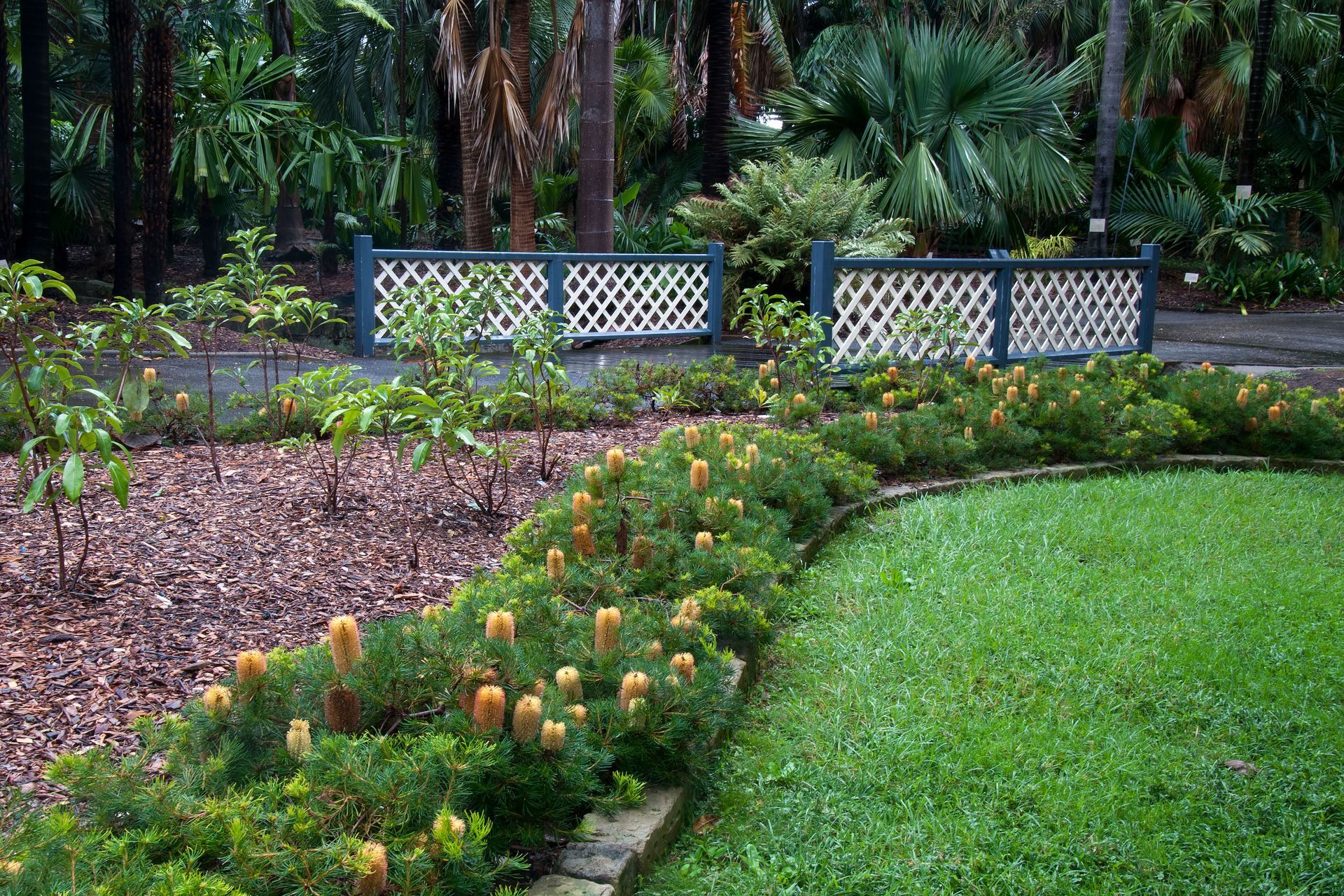
Thickness matters. For many landscape beds, an organic layer of roughly two to three inches is a practical starting point, with adjustments for soil, material texture, and the plants involved. Existing material counts toward that depth. Adding a full new layer each year without checking what remains can create excessive buildup.
Keep material clear of tree trunks and plant crowns. Piling it against bark can hold moisture where decay or other problems may develop. Good mulching services focus on consistent coverage and healthy spacing rather than making beds look unusually deep or piled high.
Avoid Unnecessary Material Purchases
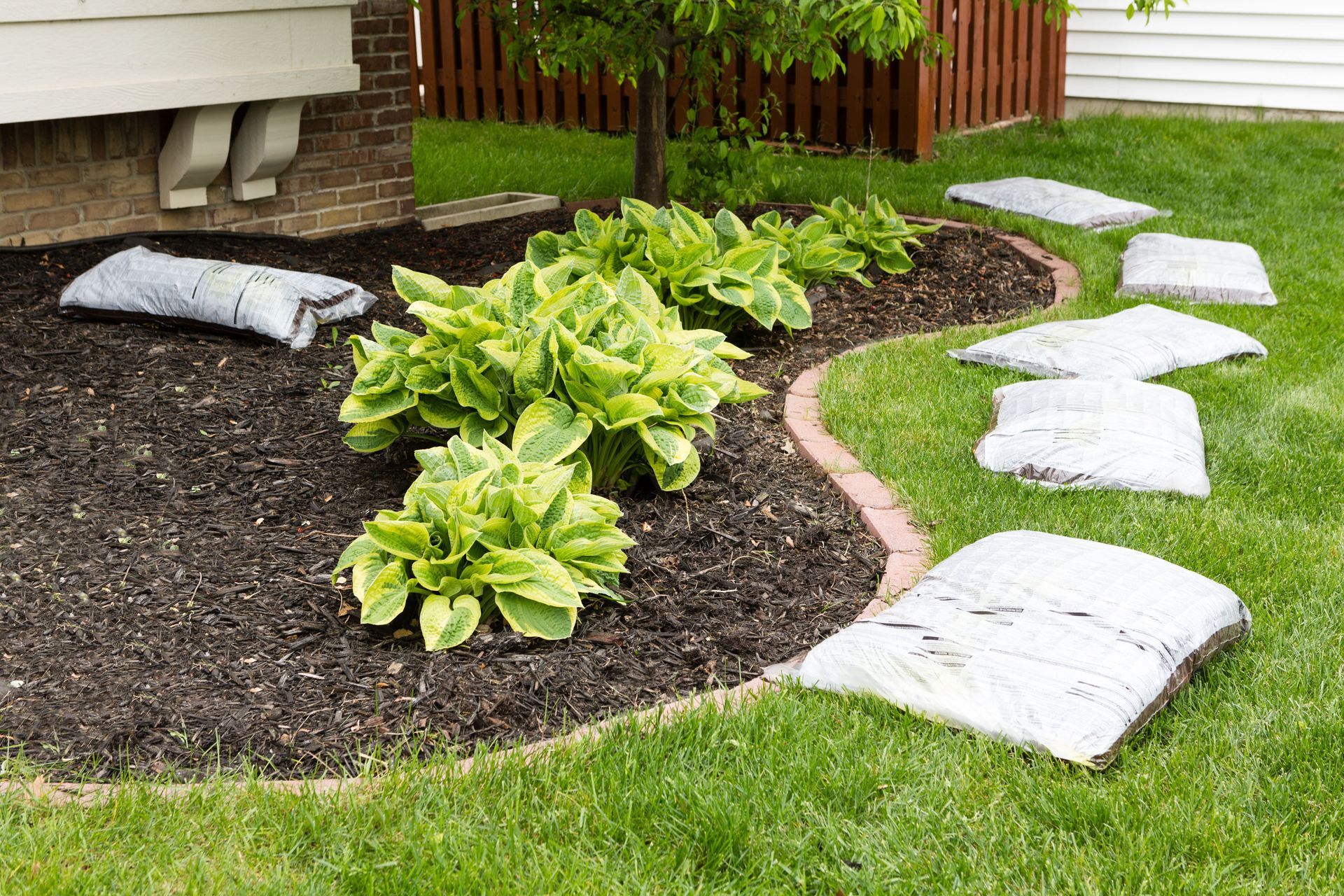
Mulch is commonly sold by volume. Buying too little can interrupt a project, while buying far too much leaves an awkward pile that may be difficult to store. Measure the beds, account for areas occupied by plants or hardscape, and calculate how much depth is actually needed before ordering.
For a simple rectangular bed, multiply its length by width to find square footage. Multiply that area by the desired depth in feet, then divide by 27 to estimate cubic yards. An existing bed that needs only a thin refresh will require less material than a new bed with exposed soil.
An experienced crew may help with measuring, bulk delivery, and distributing material efficiently. Compare the total estimate with the cost of materials, delivery, equipment, and your own time if working independently. Hiring a crew is not necessarily cheaper, but avoiding excess purchases and repeated trips can make the difference worthwhile.
Match the Equipment to the Work
A small flowerbed may need little more than hand tools, a wheelbarrow, and careful raking. Large properties with long borders can involve substantial hauling and repeated loading. Land clearing is another category altogether, sometimes using heavy machines that grind brush and woody vegetation in place. Those machines are not the same as equipment used to spread decorative bark around established plants.
According to Cognitive Market Research, the United States accounted for 28.8% of the global forestry mulchers market in 2025. That figure concerns specialized land-clearing equipment, not the market for routine residential mulch installation. It highlights the range of work described as mulching and why the proper approach depends on the project.
When evaluating mulching services, ask how materials will reach the beds, whether machinery could damage lawns or irrigation lines, and how the crew will protect existing plants. Efficient tools should make the work easier without causing avoidable repairs afterward.
Reduce the Physical Work of Installation
Even a modest landscaping project can require repeated lifting, pushing loaded wheelbarrows, bending, and raking. Moving bulk material from a driveway to beds behind a house adds distance and effort. For people with limited time, mobility concerns, or other priorities, paying for help may be about comfort and accessibility as much as convenience.
A professional crew can organize deliveries, move material in manageable loads, and clean paths after spreading. Clear access routes help protect landscaping and make the process safer for everyone involved. Discuss gates, steps, slopes, and delicate planting areas before the appointment so the crew can plan accordingly.
Choosing mulching services can free up time for planting, enjoying outdoor spaces, or other responsibilities. The benefit is practical: the same necessary work gets completed without requiring the property owner to carry every bag or move every load.
Plan Maintenance Instead of Starting Over
Organic mulch gradually settles and decomposes. That is normal, and some of the material can contribute organic matter to the soil. It does not mean every bed needs to be stripped and completely replaced each spring. Loosening compacted areas and topping up only where coverage is thin may be sufficient.
A maintenance plan should include occasional weed removal, inspection after heavy rain, and checking the depth near stems and trunks. Consider whether the material shifts on slopes, collects against edging, or blocks drainage. If plants show signs of stress, investigate watering, soil conditions, and other possible causes rather than assuming the mulch alone is responsible.
Ask providers of
mulching services what is included in preparation, installation, and cleanup. Clear expectations can help avoid duplicate work and keep seasonal care predictable. A thoughtful plan protects the value of the original installation without promising a maintenance-free landscape.
Make Landscape Care More Manageable
Mulch can conserve moisture, discourage some weeds, protect exposed soil, and give planted areas a finished look. The greatest savings come from choosing the right material and applying only what the landscape needs. Good preparation and realistic upkeep matter more than simply adding another layer each season.
For homeowners planning to refresh garden beds, Red Bark Inc. can help discuss material options and quantities for the project. Asking the right questions before ordering is a useful first step toward a landscape that is easier to maintain.